The Kingfisher Effect
Not a Leopard, Not a Lion
Crocodile Bridge in the far south of Kruger National Park, South Africa. Vehicles come and go across the busy river crossing near Crocodile Bridge Rest Camp. Some guests are eagerly searching for lions, leopards and elephants. Others are returning from a successful day in the field, comparing sightings and looking forward to dinner.
Nobody is paying much attention to the river crossing. Until suddenly, one vehicle slams on the brakes. The driver, clearly excited, leans out of the window and shouts:
“Kingfisher!”
What is he doing? Why is he holding up traffic for a small bird that appears throughout the park?
I can tell you exactly why, because I was that driver. But to understand why I brake-checked those poor people in the middle of their dinner plans, I need to go back to Belgium. Before I called myself a photographer, and before the world came to a standstill because of a global pandemic.
Adventure Without Travel
I took my first nature-focused trip to Kenya and Tanzania in 2019, and it was there that my interest in wildlife and photography really sparked. By the time I had decided to pursue it more seriously, COVID-19 had reached Belgium. The first lockdown began in March 2020, followed by a long period of restrictions that severely limited travel and normal life. I was stuck. But that did not mean there was nothing I could do.
That first African trip had given me a taste of photography, but I could hardly claim to know what I was doing. Being forced to stay home gave me an opportunity to learn. I read books, followed online tutorials and experimented with my first camera, a modest Panasonic FZ300 point-and-shoot.
It wasn’t long before I wanted to take those newly acquired skills into the field. But what could I practice on? What could I photograph? I needed a subject with interesting behaviour, that was not too bland to look at and, most importantly, actually showed up. Foxes, badgers and hares were possibilities, but I had no faith in my own tracking skills to find them regularly enough to practice. I needed something else.
I opened a local wildlife-sightings platform and noticed a small hotspot not too far from home. One particular bird had been recorded there several times: a common kingfisher. Some initial research suggested that I had found exactly what I needed. Common kingfishers are territorial, and usually remain near their favourite fishing spots throughout the year. They tend to favour just a few preferred branches and use them to perch while hunting and overlooking the water.
I had found my subject.
Chasing the Blue Flash
As is so often the case in wildlife photography, getting a photograph I actually liked required more effort than expected.
I began scouting locations and visiting them at different times of day. But, as any aspiring wildlife photographer soon learns, a recorded sighting is not necessarily a photographic opportunity. Sometimes the bird was too far away. Sometimes the background was cluttered. Sometimes all I saw was a blue flash flying low over the water, accompanied by its sharp, high-pitched call.
I visited several locations across Belgium before finding one that offered reasonable photographic opportunities. Even then, my first pictures were not exactly award-winning. On one occasion, I drove for more than an hour to a stretch of river where several sightings had recently been recorded. When I arrived, I could not find the bird anywhere. Then I heard the call. The kingfisher was nearby.
I sat down and waited. The river was the only body of water around, so I was convinced the bird must be using it to fish. I was carefully monitoring every overhanging branch when suddenly the tiniest blue shape shot past, low over the water and at lightning speed. Or at least very fast, if we are chasing scientific accuracy. For two hours, I watched this bird fly back and forth without ever discovering its preferred perch.
Finding a kingfisher, I learned, was not the same as photographing one.
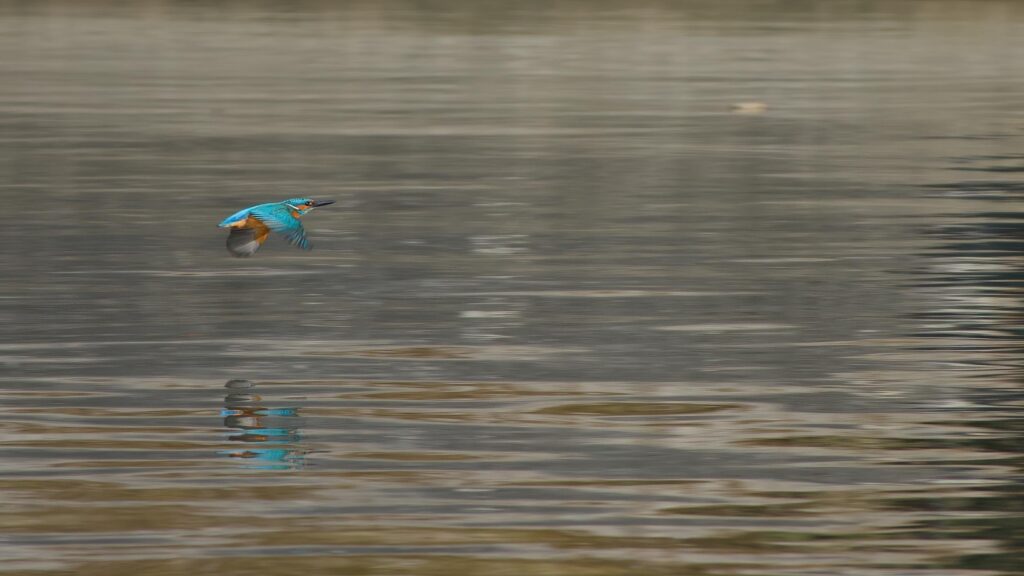
The famous blue flash that flies by when looking for kingfishers. 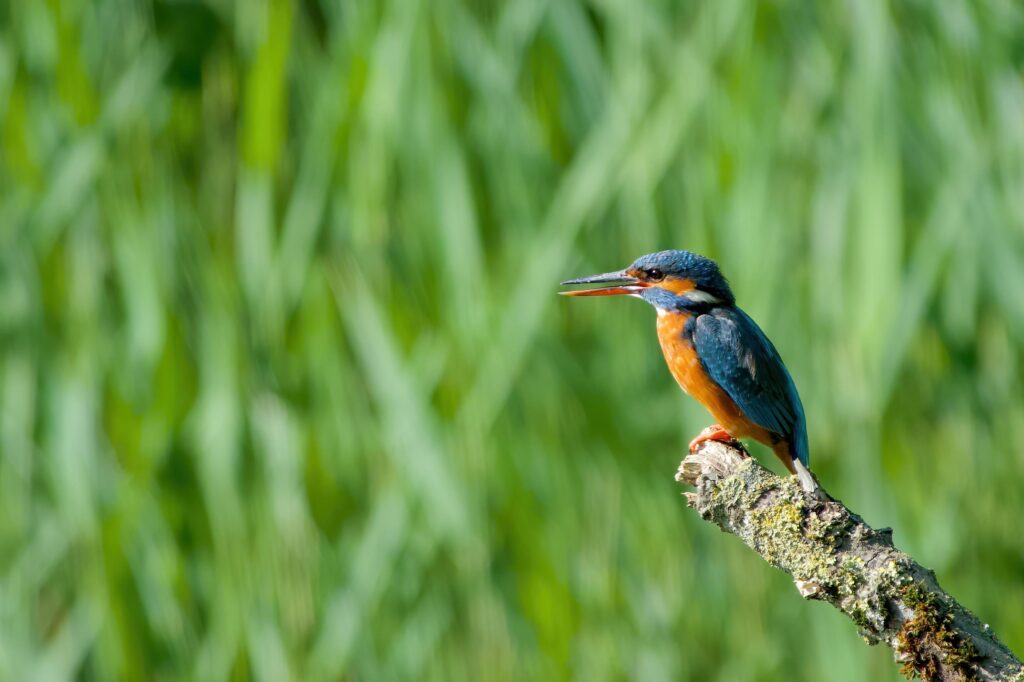
My first tries were hardly anything to write home about.
Watch, Learn and Repeat
During those early searches, I discovered that I enjoyed far more than just the moment of taking the shot. I loved the whole process: researching sightings, scouting habitats, learning behaviour, considering the direction of the light and looking for a photographic angle that would not require disturbing the bird.
There was something deeply satisfying about following a record on a sightings platform all the way to my first usable photograph.
Kingfishers were also wonderfully rewarding subjects. Even the common kingfisher, the familiar European species, is extraordinary: brilliant blue above, rich orange below and unmistakable once you learn to recognise its shape and call. Its habit of hunting from perches could create repeat opportunities, while its diving behaviour offered the possibility of action photographs that were still well beyond my abilities.
For about two months, I returned to the same location nearly every week, watching my photographs steadily improve with each visit. Looking back now, it may not have been my most productive photographic project, but it kept me motivated and curious at the time. More importantly, it allowed me to translate my newfound camera knowledge into practical fieldwork skills.
Beyond the photography, though, it did something far more meaningful: it turned me into a birder.
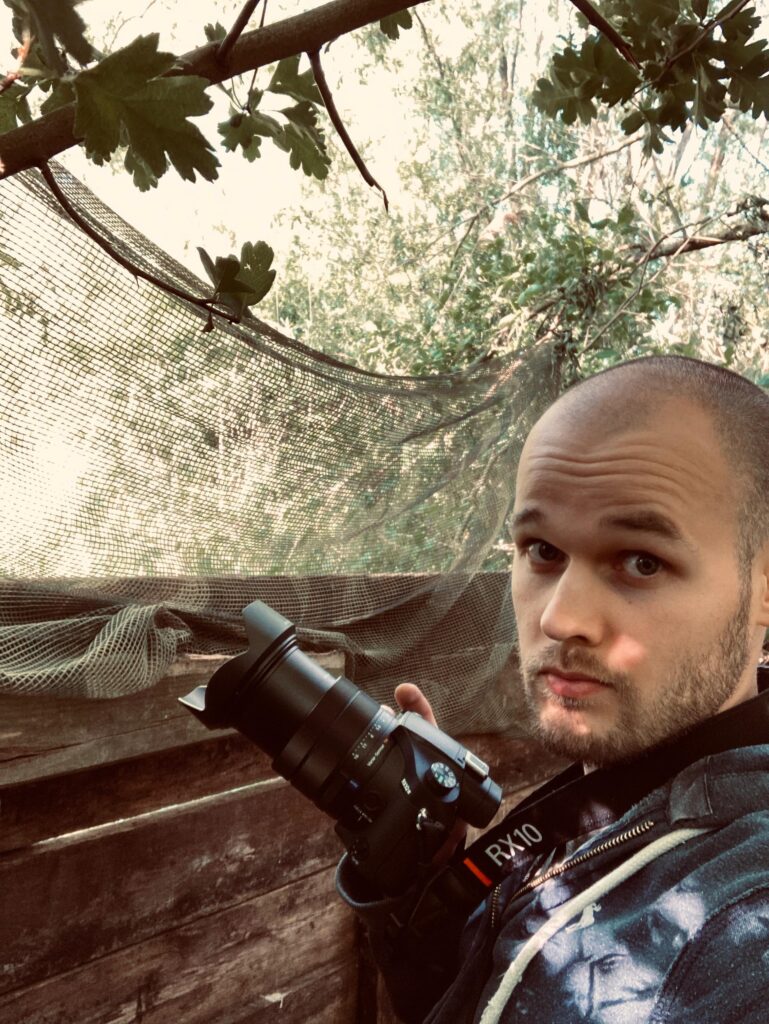
Me in my very first kingfisher hide setup. 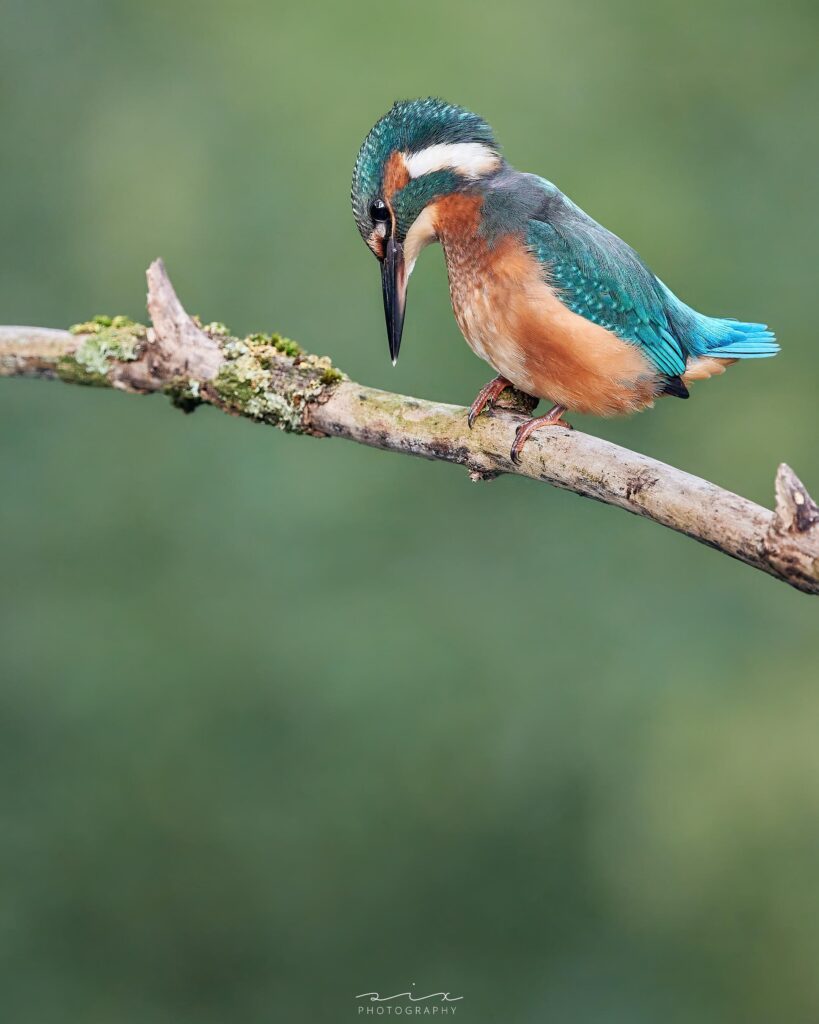
Finally, some images I was happy with started popping up. 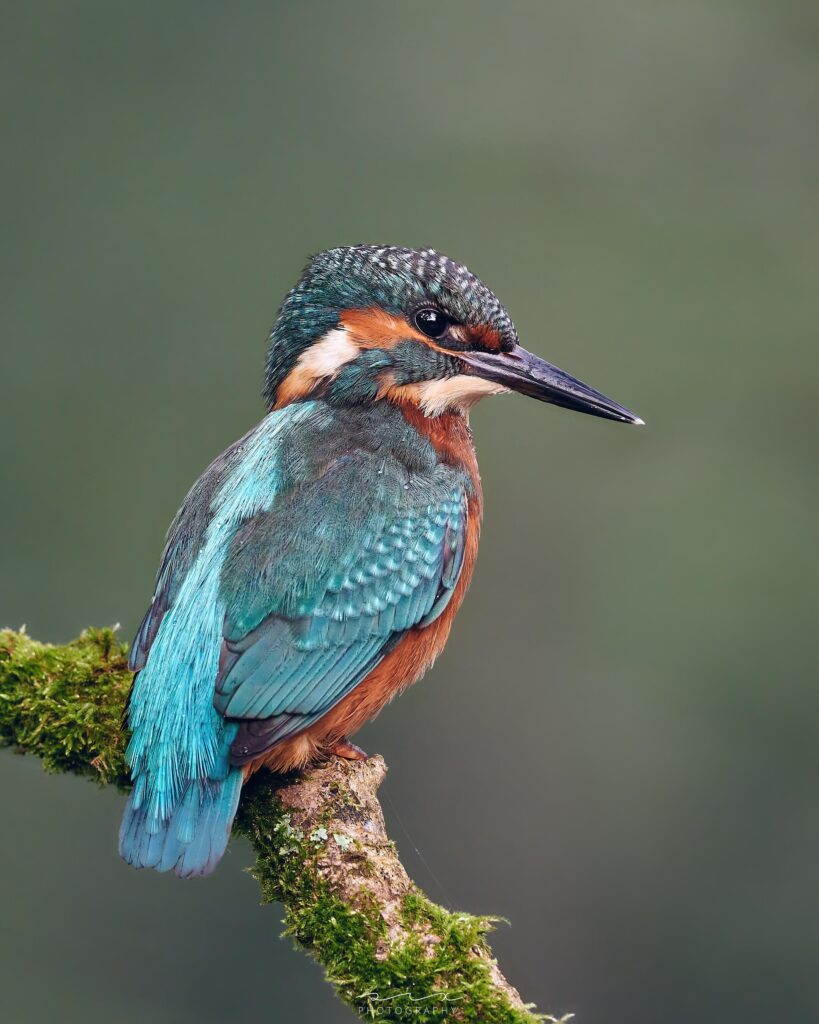
Finally, some images I was happy with started popping up. 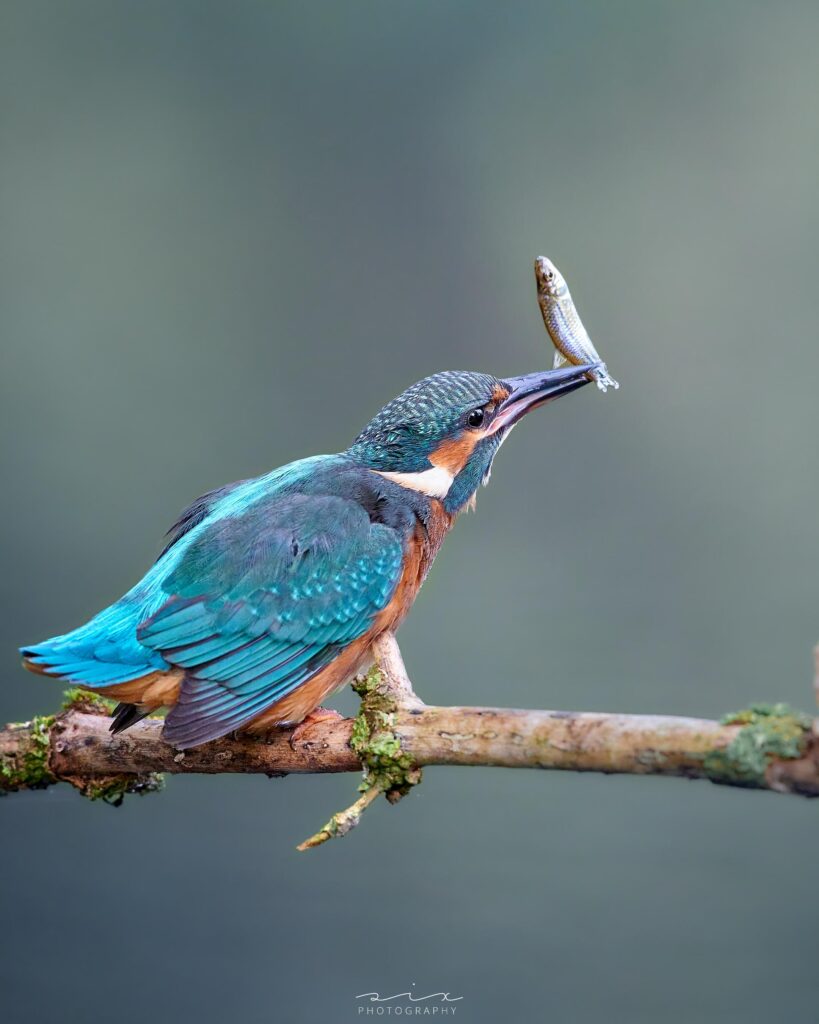
Finally, some images I was happy with started popping up.
A New Habit in My Luggage
It is fair to say that kingfishers played an important role in turning my enthusiasm for wildlife photography into something more deliberate. I went from someone who had only just discovered the shutter button to an amateur photographer who could at least pretend to know what he was doing. That was how I passed much of 2020 and 2021.
When international travel became possible again, I felt the urge to look farther afield. Africa was calling, and Kenya and South Africa became my first major wildlife trips after the pandemic.
During a self-drive safari in Kruger National Park, I discovered that my enthusiasm had grown in an unexpected direction. Before that trip, the large mammals commanded most, if not all, of my attention. Leopards, lions, elephants and hyenas were the animals I hoped to see. Then, while scanning for one of those celebrated species, I suddenly, and almost by natural reflex, hit the brakes of my Toyota and shouted:
“Kingfisher!”
I could barely contain my excitement, which, in hindsight, was exactly why the bird took off the moment I took out my camera. But as I sat there in the quiet aftermath of my own mess-up, I realised something: kingfishers excite me no matter where I am. That journey through eastern South Africa was the first wildlife trip on which I actively paid attention to the birds around me. I returned home with photographs of many species and one kingfisher image that mattered particularly to me: a giant kingfisher taking flight just after I spotted it.
Having so thoroughly enjoyed researching the common kingfisher, I began reading about other members of the family. I learned that kingfishers occur across Europe, Africa, Asia, Oceania and the Americas. In other words, they can be found on every inhabited continent except Antarctica.
It quickly dawned on me that, no matter where my travels took me, a kingfisher would likely be nearby. I just had to keep my eyes open. And so, a new tradition was born. From that point on, arriving in a new place meant asking one question:
“Which kingfishers live here?”
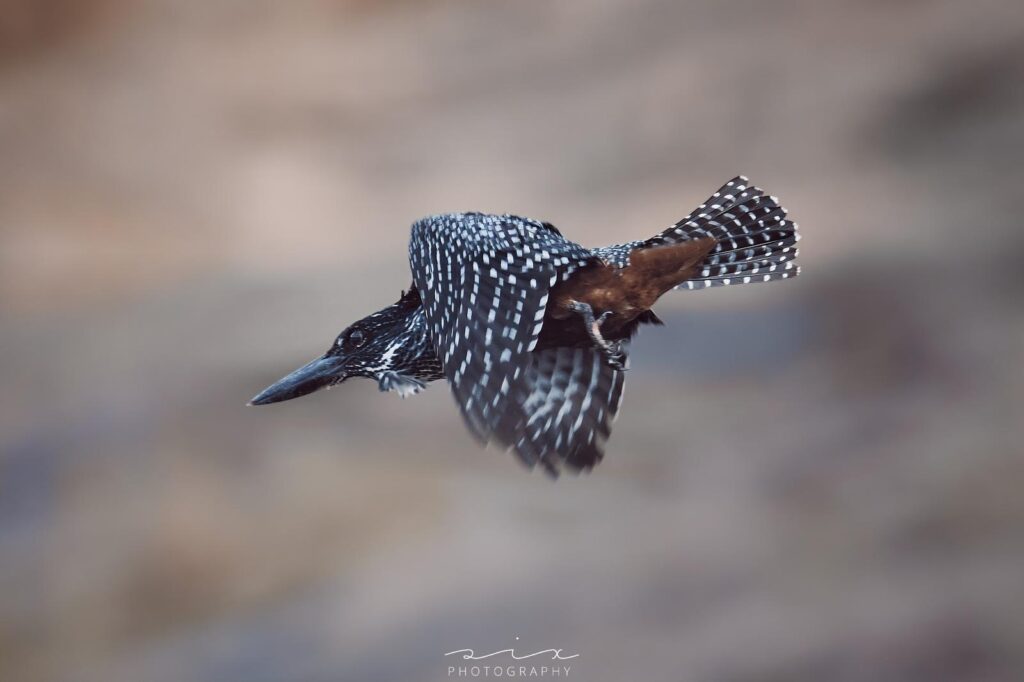
The giant kingfisher that caused my sudden stop on Crocodile Bridge.
New Countries, Same Excitement
What I hadn’t anticipated back in Belgium was just how persistent this new habit would become. Wherever I travel, sooner or later a kingfisher seems to find its way into the story.
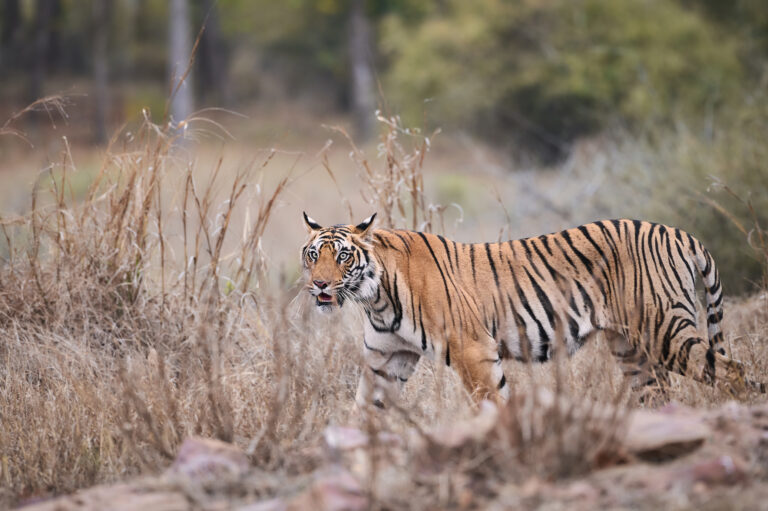
One of the first indications came in India. Like most visitors to India’s tiger reserves, my primary focus was very much on tigers. Every vehicle on the road was looking for them and, as any safari enthusiast will recognise, every sudden stop by another vehicle immediately stirred up the excitement and adrenaline.
At my request, we stopped for a white-throated kingfisher beside the road. It didn’t take long for a few other vehicles to pull over behind us. People started looking around with binoculars and cameras, undoubtedly hoping somebody had spotted a tiger. The disappointment when they realised that I had stopped for a kingfisher instead was almost as entertaining as photographing the bird itself. I suspect I was the only person in that little convoy whose expectations had actually been met.
Later that year, in Ecuador, I discovered that my enthusiasm tends to come at the expense of other people’s patience. While exploring the Amazon rainforest in Cuyabeno, I spotted a ringed kingfisher perched along the river. We were in a boat with a reasonably sized group, and the bird had selected a perch that was just slightly too far away for the composition I had in mind.
The solution seemed straightforward enough: drift a little closer. And then a little closer still. Looking back now, I suspect I was the only person actively drifting towards the bird while everybody else was slowly drifting off. I spent a fair amount of time reassessing the distance, angle and background, but eventually everything came together and I got the image I wanted. Whether the rest of the group considered the resulting photograph worth the delay is something I never dared to ask.
It is also the kind of situation I consider more carefully these days. Getting the photograph is only one part of the experience. The bird’s space, the guide’s judgement and the experience of the other people in the boat matter too. Although, if you step onto a boat with me and my camera, you should probably brace yourself for a very slow day.
Costa Rica provided a completely different experience. Despite seeing an incredible amount of wildlife during the trip, I somehow hadn’t managed to find a kingfisher and became increasingly convinced I would leave the country without seeing one.
Then, on one of my final mornings, I found a ringed kingfisher perched in a tree right behind the swamp cabin where I was staying. The photographs weren’t particularly remarkable and it wasn’t one of the most spectacular wildlife encounters of the trip. Yet it remains one of my favourite memories from Costa Rica. In a country famous for extraordinary wildlife, I was just as excited about finding a kingfisher behind my cabin as I would have been about many of the headline species that required hours of trekking and night walks.
Uganda, finally, was where things truly got out of hand. Kingfishers seemed to be everywhere. Woodland kingfishers, giant kingfishers, pied kingfishers, malachite kingfishers and several others all appeared during the trip, often when I least expected them.
What started as an occasional request to my guide quickly developed into a routine. Whenever I spotted a kingfisher, I would ask him to stop. More often than not, he did. After a while, I didn’t even have to say anything. He saw me grab my camera and knew immediately what was up. By the end of the trip I had acquired a nickname: Kingfisher Guy.
I can’t really argue with that assessment. The little bird I started following along Belgian rivers during lockdown had quietly become an essential part of how I experience wildlife travel.
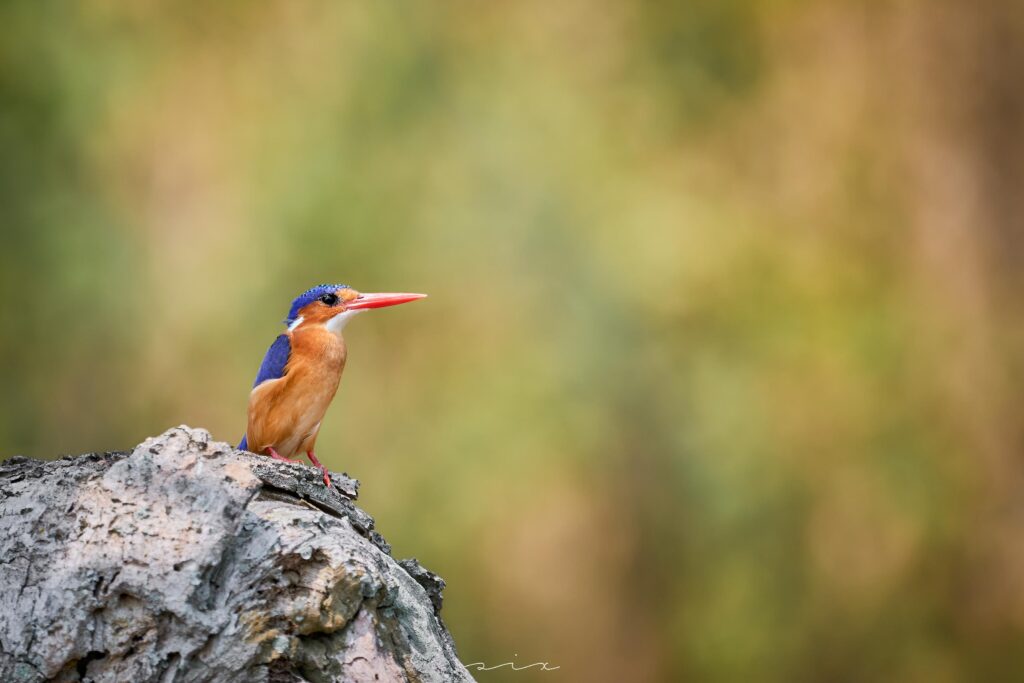
Malachite kingfish (Uganda) 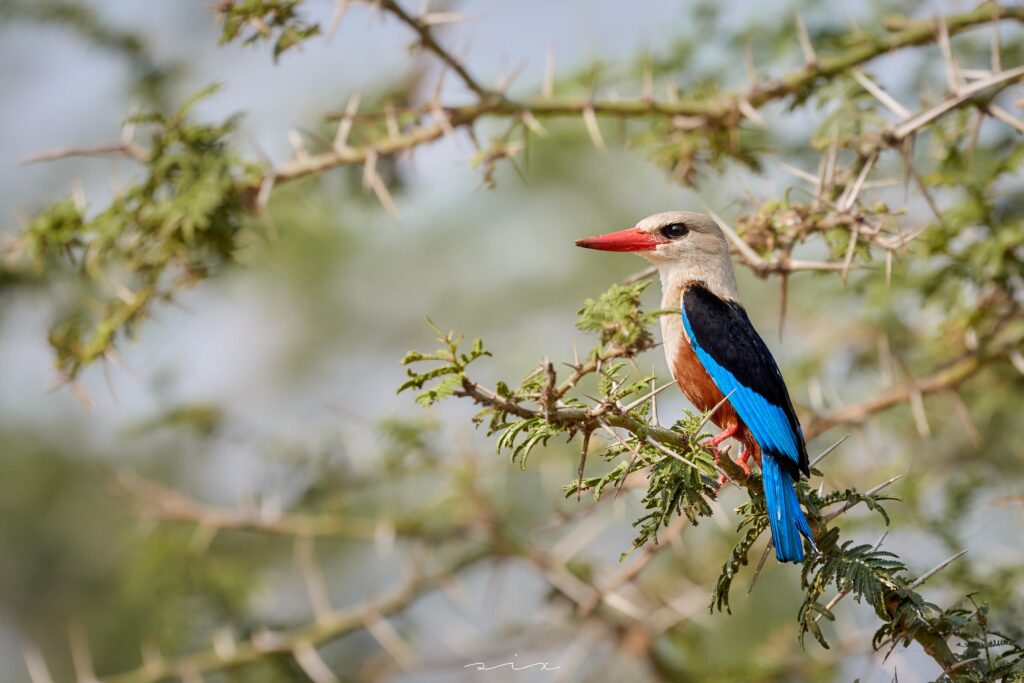
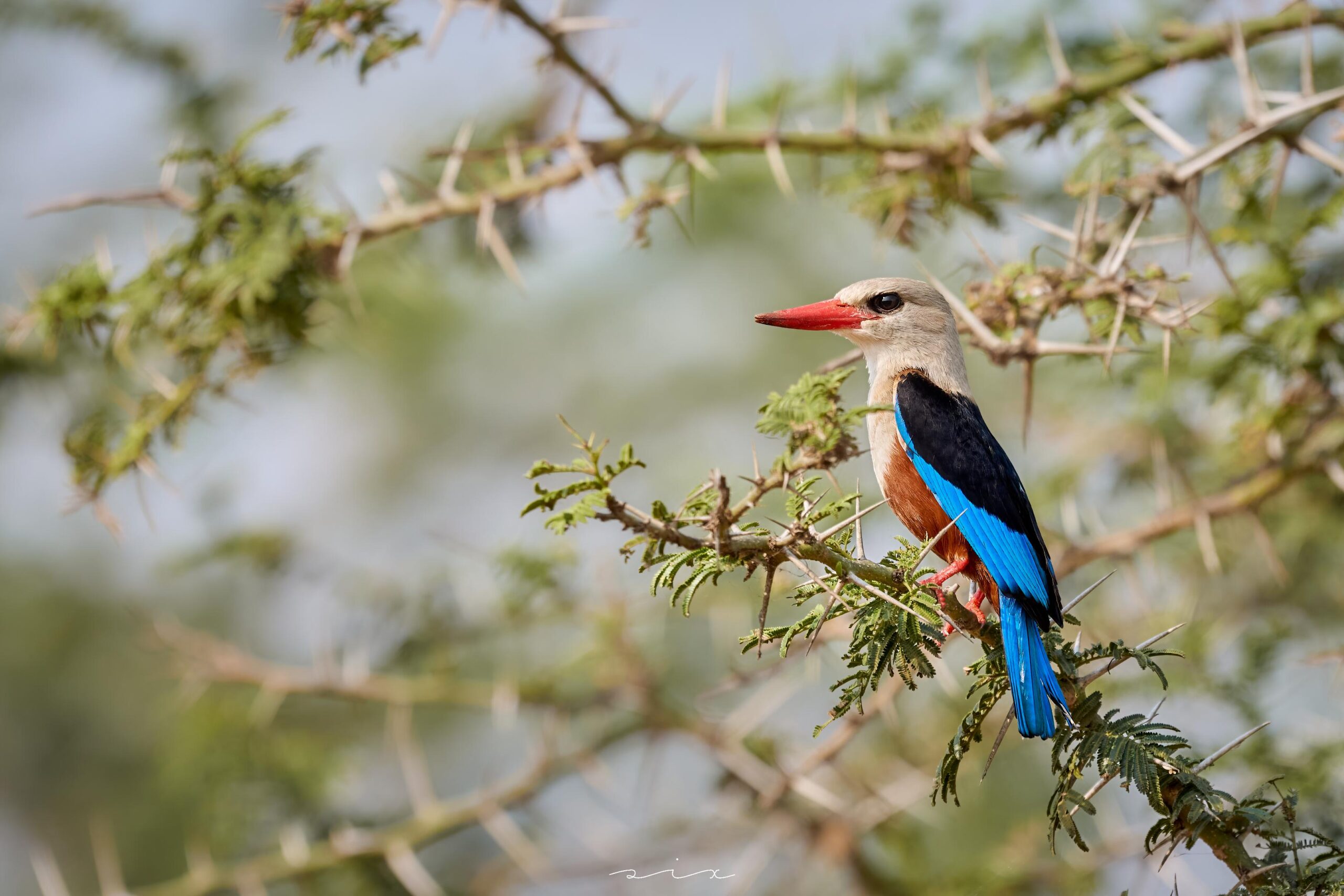
Grey-headed kingfisher (Uganda) 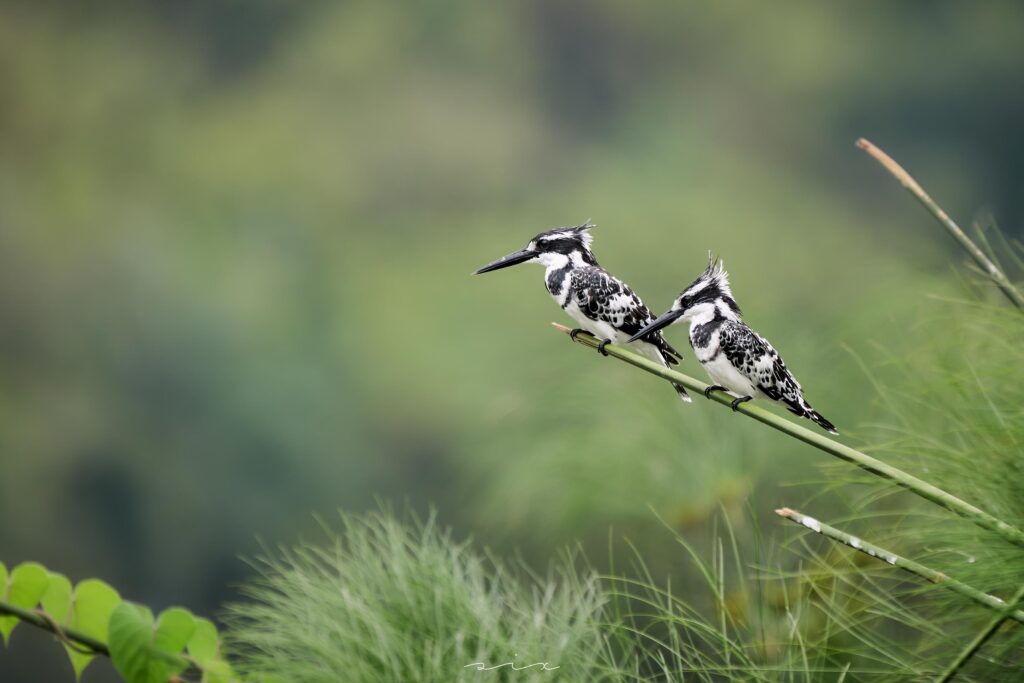
Pied kingfisher (Uganda) 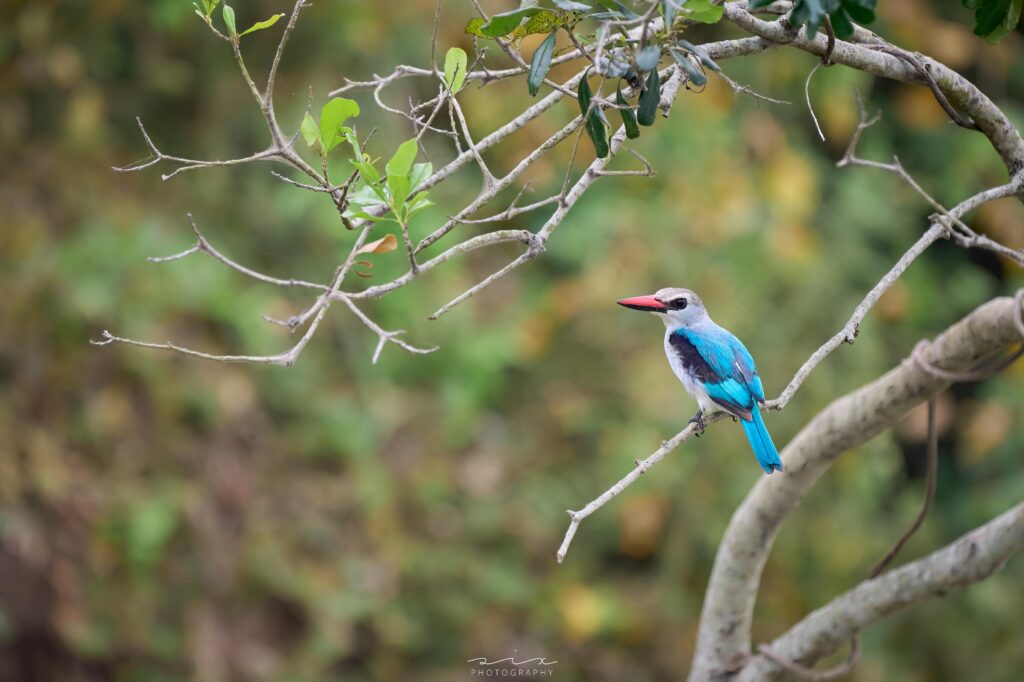
Woodland kingfisher (Uganda) 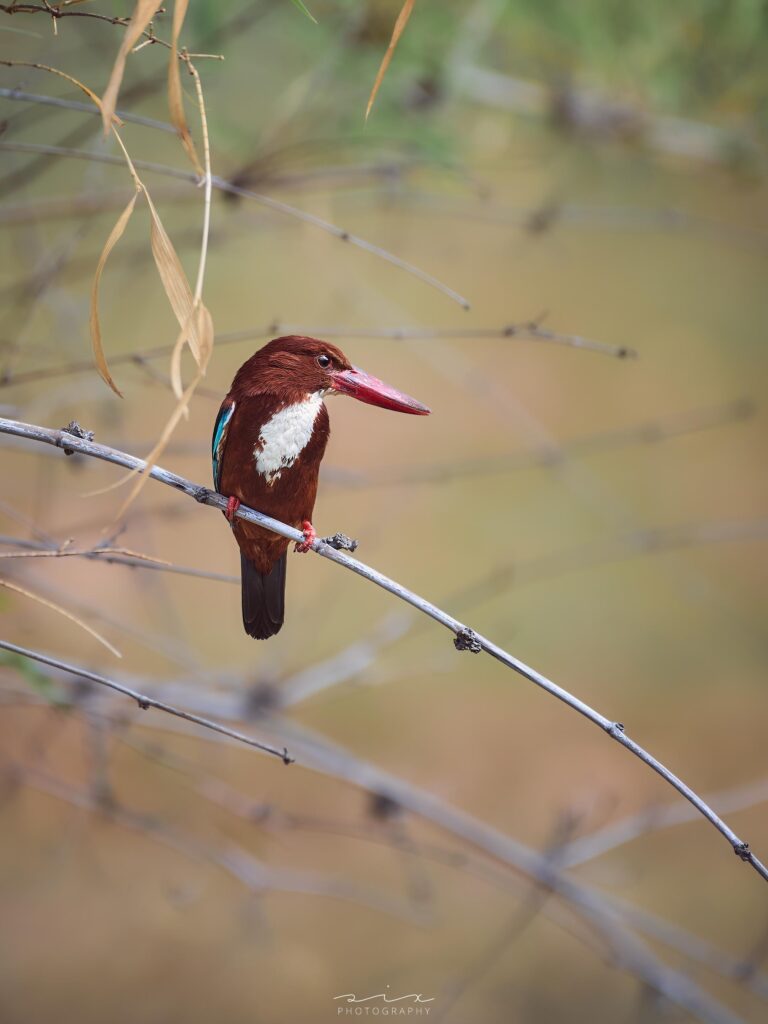
White-throated kingfisher (India) 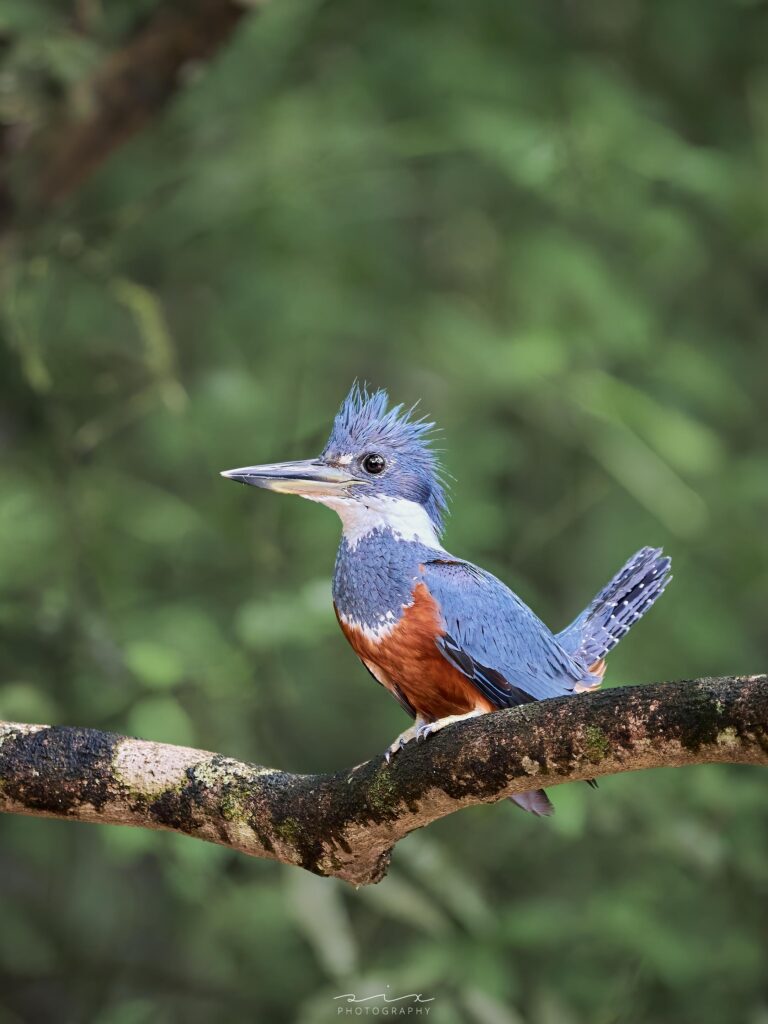
Ringed kingfisher (Ecuador) 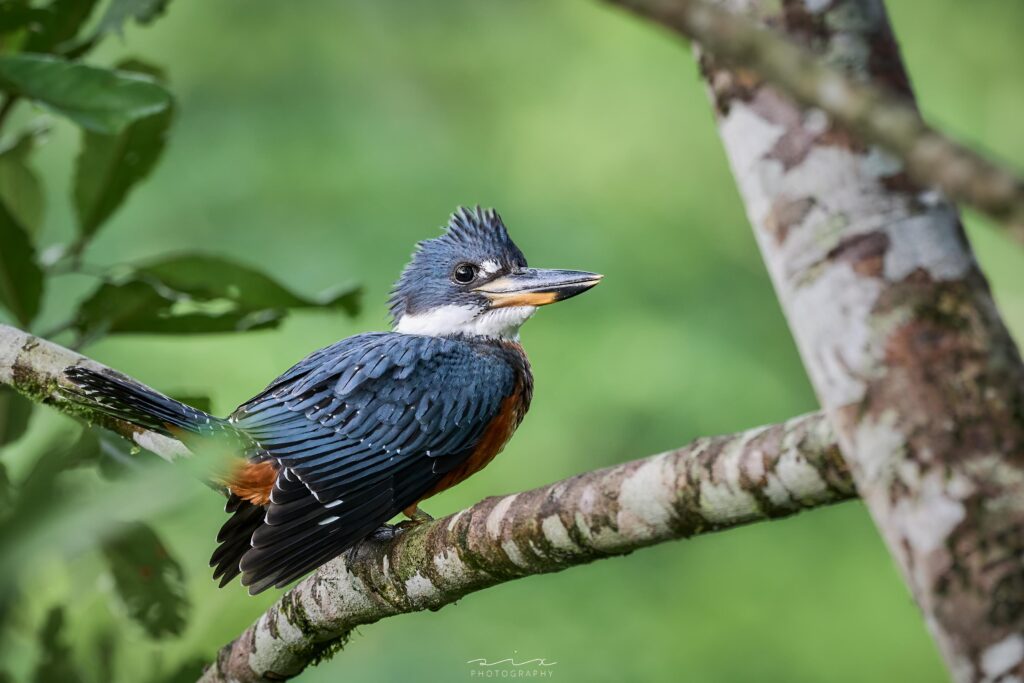
Ringed kingfisher (Costa Rica)
Lessons from a Small Bird
Despite the nickname, I don’t consider myself a kingfisher expert. I don’t build every trip around them, and I certainly don’t pretend to have any kind of expertise on the species.
What they brought to my photography and travel, however, is something more important. They taught me to research a subject before trying to photograph it: to pay attention to its habitat, behaviour and preferences, and to understand that the wider ecosystem matters just as much as the animal in the frame. They also made me more conscious of disturbance. I cannot pretend that I have never pushed too far while searching for a better background or angle. But those early encounters taught me to slow down, watch more carefully and think about the effect my presence might have before moving closer.
That awareness did and does not make me perfect. It simply changed the questions I asked in the field. Instead of thinking only about how to get closer, I began thinking about whether I needed to get closer at all. Kingfishers gave me a reason to keep learning during a difficult period, when travel and everyday life were heavily restricted. They motivated me to explore the places close to home and turn what I had learned about camera settings into practical skills in the field.
Finally, they taught me to pay attention to the common species that are all around us and notice the subtle, and sometimes not so subtle, differences between them. Yes, different kingfisher species can often be identified by their plumage. Their behaviour, however, is every bit as interesting. Some spend their lives along rivers and ponds, diving for fish. Others inhabit forests and hunt insects instead. A few even travel as far as the Galápagos Islands during the northern winter.
Every wildlife photographer probably has a species that first changed the way they saw the natural world. Mine happened to be a kingfisher, and for reasons I still find difficult to explain, it has been turning up ever since.
Not Quite a Quest
Those who have been counting might have noticed that my kingfisher list currently spans five continents. Knowing that kingfishers also occur in Oceania, the obvious, and Instagrammable, next step would probably be to try to complete the set.
To be honest, that is not really how I look at it. I would love to see kingfishers in Oceania, just as I am excited whenever one appears anywhere else. But the real joy is not in completing a list. It is in arriving somewhere new, finding out which species live there and wondering when one of them might suddenly appear beside a road, river or forest trail.
Kingfishers taught me that excitement in the first place. Following them made me more curious about the wildlife around me, and that curiosity eventually spread far beyond one family of birds. I still look up which kingfishers occur in every place I visit, but I now do the same for snakes, frogs, turacos and toucans, and I’m sure that, along the way, I will add other feathered, furred and scaled interests to that list.
Wildlife is simply too fascinating for me to focus on a single group. That does not make the next kingfisher any less exciting. It just means that, thanks in part to them, there are now many more animals capable of stopping me in my tracks.
Kingfishers are not a target species for me anymore. I’d rather call them an origin species.
They have been vital in developing my passion for wildlife, nature and photography. If it hadn’t been for that one kingfisher I started following during lockdown in Belgium, I wouldn’t travel in the same way today. It is difficult to say exactly what would be different, but something certainly would be. Perhaps I wouldn’t have become a photographer. Perhaps I wouldn’t spend so much time trying to understand my subjects before photographing them. Perhaps I wouldn’t be a birder. Or perhaps I wouldn’t even be travelling at all.
So no, I’m not particularly concerned about the next kingfisher, because experience has taught me that there will always be a next one. And whenever it appears, rest assured that a familiar sound will echo over the savannah, along the river, through the forest or across the swamp:
“Kingfisher!”